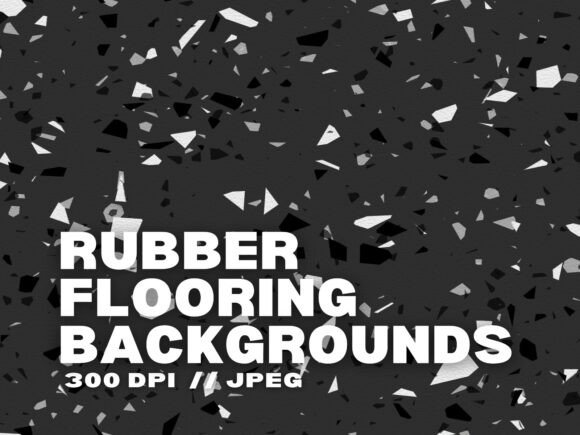
10 Rubber Flooring Backgrounds
For designers seeking to infuse their projects with a rugged, edgy aesthetic, 10 Rubber Flooring Backgrounds offers a powerful solution. These high-resolution textures provide a realistic and bold backdrop that can elevate any creative endeavor. Whether you're working on industrial themes, fitness campaigns, or grunge-style designs, these backgrounds bring a unique visual depth that stands out in a crowded digital space.
The collection includes 10 high-resolution JPG files, each measuring 4000x4000 pixels at 300 DPI. This ensures crisp detail and versatility across various applications. The format is compatible with major design software, making it easy to integrate into your workflow. With an instant digital download, you can start using these assets immediately without delays or shipping hassles.
Applications Across Creative Industries
Graphic designers can leverage 10 Rubber Flooring Backgrounds for a wide range of projects. In branding and logo design, these textures add a tactile quality that reinforces a strong visual identity. For marketing materials like posters and flyers, they create a striking contrast that draws attention and enhances readability.
Social media content benefits from the boldness of these backgrounds. Instagram posts, YouTube thumbnails, and Facebook banners gain a professional edge when paired with this texture. It's especially effective for fitness brands, urban aesthetics, or any campaign aiming for a raw, unpolished look.
In web design, these backgrounds can serve as hero images or landing page backdrops. They offer a dynamic alternative to plain colors or generic patterns, helping to create a memorable user experience. When used in UI design, they contribute to a cohesive visual language that aligns with modern design trends.
Enhancing Visual Communication
Effective visual communication relies on strong design elements, and 10 Rubber Flooring Backgrounds provides a foundation for impactful storytelling. By choosing the right texture, designers can evoke specific emotions or convey a particular brand message. For example, a grunge-style background might communicate rebellion or authenticity, while an industrial setting could suggest strength and durability.
When selecting a background, consider factors like consistency with your overall design system, scalability for different formats, and how well it complements other visual elements. A well-chosen texture should enhance, not overpower, the rest of the composition.
Best Practices for Using Textures
To get the most out of 10 Rubber Flooring Backgrounds, use them strategically. Avoid overloading a design with too many textures, as this can lead to visual clutter. Instead, pair them with clean typography and minimalistic layouts to maintain balance.
Experiment with layering techniques, such as adjusting opacity or adding overlays, to achieve the desired effect. This allows you to retain the texture's character while ensuring it doesn't distract from the main content. Always test your designs across different devices and screen sizes to ensure compatibility and clarity.
By integrating these backgrounds into your creative process, you can elevate the quality of your work and deliver more compelling visual experiences. Whether you're designing for print, digital platforms, or mixed media, 10 Rubber Flooring Backgrounds offers a versatile tool that supports a wide range of design goals.